|

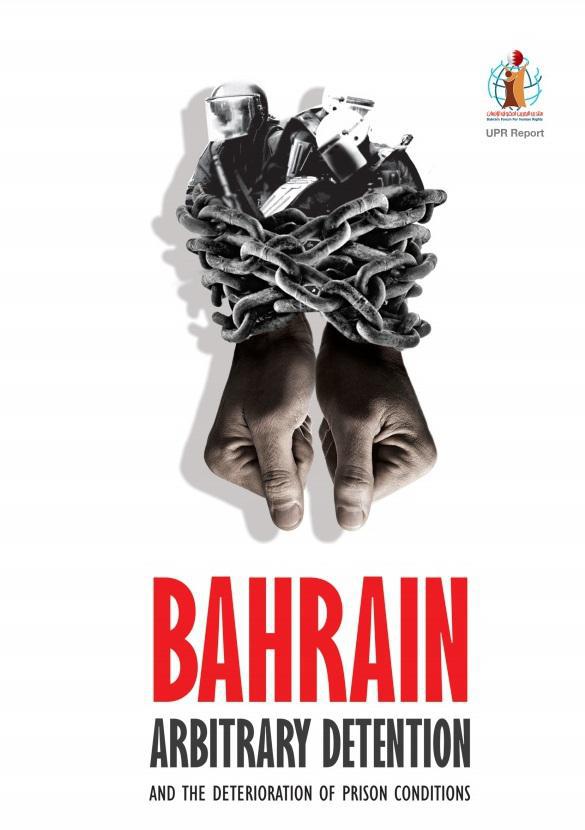
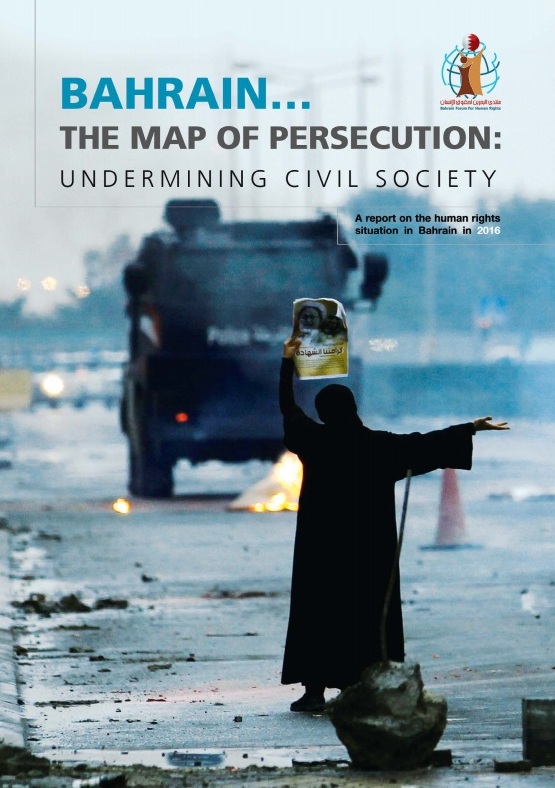
The BFHR on the Anniversary of 14 February: There is a Need for Transitional Justice for a Future Free of Violations On the anniversary of 14 February, the Bahrain Forum for Human Rights (BFHR) affirms that addressing the legacy of gross human rights violations constitutes a fundamental entry point to any genuine stability. Ignoring the past or attempting to brush it aside only deepens crises and perpetuates the loss of trust between the state and society. Transitional justice is not a temporary political option nor an exceptional short-term measure. Rather, it is a comprehensive legal and human rights framework aimed at uncovering the truth, ensuring redress for victims, holding those responsible accountable, and guaranteeing non-recurrence. At its core, it reflects respect for human dignity and the rule of law. The BFHR stresses that the violations witnessed in Bahrain over the past years were not isolated incidents, but were systematic in nature, including arbitrary detention, ill-treatment, and trials that fell short of fair trial standards. This reality requires a serious and comprehensive response, not one limited to superficial or partial measures. Since 2011, Bahrain has witnessed an escalating pattern of gross human rights violations, including excessive use of force, arbitrary arrests, torture and ill-treatment during detention, unfair trials, revocation of citizenship, implementation of death sentences, restrictions on public freedoms, targeting of human rights defenders and political activists, the enactment and expansion of political isolation legislation, undermining peaceful assembly, and the dissolution of political societies. The absence of a genuine transitional justice process—based on truth, accountability, and reparations—has been a main factor in the evolution of these violations and their transformation from emergency practices into sustained patterns, amid impunity and the absence of meaningful institutional reform. The failure to address the legacy of violations since 2011 has contributed to their recurrence in various forms, deepened the suffering of victims, and weakened societal trust. The absence of transitional justice has therefore not merely been a shortcoming in in addressing the violations, but a direct cause of the continuing human rights crisis. In light of this, the BFHR emphasizes the following: First: The Right to Truth Revealing the full truth about what occurred, and the identification of those responsible, is an inherent right of victims and of society as a whole. No genuine reconciliation can be achieved without transparent disclosure of the facts through independent and credible mechanisms. Second: Accountability and Ending Impunity Any transitional justice process loses its meaning if the principle of accountability is excluded. Fair and impartial accountability is a fundamental safeguard against recurrence and strengthens confidence in state institutions. Third: Reparations and Redress for Victims The BFHR calls for the adoption of comprehensive reparations programs, including compensation, restoration of rights, and psychological and social rehabilitation, taking into account the human and legal dimensions of the suffering endured by victims and their families. Fourth: Institutional Reform and Guarantees of Non-Recurrence There can be no future based on rights without genuine structural reform, foremost among them strengthening judicial independence, reviewing legislation that restricts fundamental freedoms, and ensuring that security agencies are subject to legal accountability. Fifth: Participation of Victims and Civil Society No transitional justice process can attain legitimacy or effectiveness unless it is based on the meaningful participation of victims and enables civil society to carry out its role freely and independently. The BFHR affirms that transitional justice represents an inclusive national choice aimed at turning the page on violations by addressing them, not by denying them, and at building a future based on respect for rights and freedoms, without exclusion or retaliation. In conclusion, the BFHR renews its call for the launch of a serious and comprehensive transitional justice process in Bahrain, grounded in international human rights standards and placing human dignity and the rule of law at the heart of any reform and national reconciliation effort. Bahrain Forum for Human Rights 14 / 02 / 2026 |